Ask the Expert: Rural mental health
Thursday, August 6, 2026
What are the most common misconceptions about mental healthcare, especially in rural communities?
Mental healthcare isn’t just for severe conditions. Anyone can benefit—from managing stress and anxiety to navigating major life changes. Seeking help is a sign of strength, not weakness, and treatment often includes a combination of therapy, lifestyle strategies, medication and community support. Access is also improving through in-person care, telehealth and Marshall Psychiatry’s rural psychiatry residency program, which is training physicians to practice in underserved communities; services expanded further with the opening of a new clinic in Point Pleasant, West Virginia, in July.
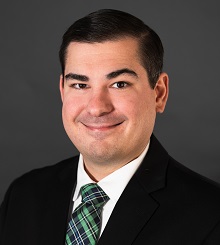
Dr. Kullen is a board-certified psychiatrist at Marshall Health Network. He serves as an assistant professor of psychiatry and behavioral medicine at the Marshall University Joan C. Edwards School of Medicine and associate program director of Marshall’s rural psychiatry residency program.
What are some signs it may be time to seek professional support?
If changes in your mood, sleep, appetite, energy or ability to enjoy daily life persist or interfere with everyday activities, it’s time to seek help. You don’t have to wait until symptoms become severe—early support can make a meaningful difference. If you or someone you know is experiencing thoughts of self-harm or harming others, call 911 or 988 immediately.
How can someone start a conversation about mental health with their primary care provider?
It doesn’t have to be complicated. Simply saying, “I’ve been feeling more anxious lately,” or “I haven’t been feeling like myself,” is enough to begin. Sharing when your symptoms started and how they’re affecting your daily life can help your provider recommend the most appropriate care.
How can friends and family support someone who may be struggling?
Listen without judgment, check in regularly and encourage professional care. Practical support—such as helping schedule appointments or providing transportation—can make a meaningful difference. You don’t need to have all the answers; being present and supportive is often the most important step.
More news...

Marshall Health Network welcomes new internal medicine specialists

18th annual Ladies in Pink Luncheon celebrates hope, supports local breast cancer patients

Wellness Wednesday: Pumpkin Chili

Keeping our little ghosts and goblins safe for trick-or-treat

Marshall Health Network offers families opportunities for safe Halloween fun

Marshall Health Network Foundations to host second annual PROACT Monster Smash Pickleball Bash Oct. 24

Marshall Health Network names new medical director of Edwards Cancer Institute